


Why Digital Transformation Is No Longer Optional for Small Businesses

 Jun 18,2026
  By Waistra
 The business world has changed dramatically over the past decade. Customers expect faster service, businesses generate more data than ever before, and competition can come from anywhere in the world. In this environment, relying on traditional methods alone is no longer enough.
This is why digital transformation has become one of the most important priorities for modern businesses.
Many people think digital transformation is only for large corporations with massive budgets and dedicated IT teams. The reality is quite different. Small businesses often benefit even more because the right digital tools can help them compete with larger organizations while operating with limited resources.
What Is Digital Transformation?
Digital transformation is the process of using technology to improve business operations, customer experiences, and decision-making.
It is not simply about purchasing software or creating a website.
True digital transformation involves using technology to solve business problems, increase efficiency, and create better experiences for customers and employees.
Examples include:
- Moving from paper records to cloud-based systems
- Using accounting software instead of manual bookkeeping
- Managing customer relationships digitally
- Selling products through online stores
- Automating repetitive tasks
- Using data to make informed decisions
The goal is simple: work smarter, not harder.
Why Small Businesses Are Embracing Digital Transformation
Small businesses face unique challenges.
Limited staff, tight budgets, increasing customer expectations, and growing competition often make it difficult to scale efficiently.
Digital transformation helps address these challenges by creating more organized and efficient business processes.
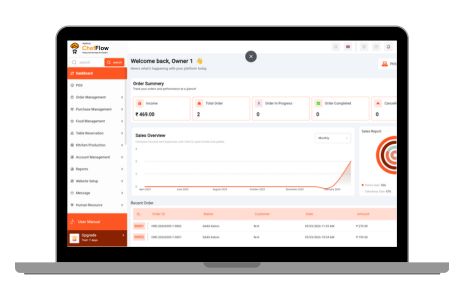
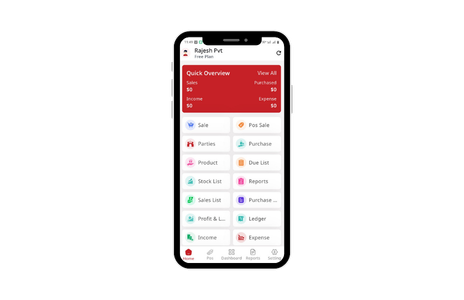
For example, instead of spending hours preparing invoices manually, businesses can generate them instantly using accounting software. Instead of maintaining physical customer records, information can be stored securely in the cloud and accessed from anywhere.
These improvements may seem small individually, but together they create a significant impact on productivity.
Improved Customer Experience
Today’s customers expect convenience.
They want quick responses, online access to products and services, digital payment options, and personalized communication.
Businesses that fail to meet these expectations risk losing customers to competitors who provide a smoother experience.
Digital tools help businesses improve customer interactions through:
- Faster communication
- Online ordering systems
- Automated follow-ups
- Customer relationship management
- Better support services
When customers receive consistent and efficient service, they are more likely to return and recommend the business to others.
Better Business Decisions Through Data
One of the biggest advantages of digital transformation is access to business insights.
Traditional methods often rely on assumptions and manual reports. Digital systems provide real-time information that helps business owners make informed decisions.
Businesses can track:
- Sales performance
- Customer behavior
- Inventory levels
- Financial health
- Marketing results
Instead of guessing what works, businesses can make decisions based on actual data.
Increased Operational Efficiency
Every business has repetitive tasks.
These tasks may include:
- Billing
- Inventory updates
- Appointment scheduling
- Customer communication
- Report generation
When performed manually, these activities consume valuable time and increase the risk of human error.
Automation helps businesses complete these tasks faster and more accurately.
Employees can focus on higher-value work while technology handles routine processes.
Greater Flexibility and Scalability
One of the strongest benefits of cloud-based technology is flexibility.
Business owners and employees can access information from different locations and devices.
As the business grows, digital systems can scale without requiring major operational changes.
Whether a company serves ten customers or ten thousand customers, digital tools make growth more manageable.
Competitive Advantage in a Digital Economy
The modern marketplace is increasingly digital.
Customers search online before making purchases. They compare products, read reviews, and interact with brands through digital channels.
Businesses that establish a strong digital presence gain visibility and credibility.
Even small companies can compete effectively when supported by the right technology.
Common Areas Where Businesses Can Digitize
Many businesses begin their digital transformation journey by focusing on:
- Website development
- E-commerce platforms
- Accounting and billing
- Customer management
- Marketing automation
- Inventory management
- Team collaboration tools
The key is starting with solutions that address the most significant operational challenges.
The Future Belongs to Digitally Enabled Businesses
Digital transformation is no longer a trend.
It has become a fundamental requirement for businesses that want to remain competitive and continue growing.
Organizations that embrace technology gain greater efficiency, stronger customer relationships, better decision-making capabilities, and improved scalability.
The businesses that succeed in the coming years will not necessarily be the largest. They will be the ones that adapt fastest and use technology strategically.
Digital transformation is not about replacing people.
It is about empowering people with better tools to achieve better results.


 Jun 24, 2026
