


Cloud-Based Business Software Is Reshaping How Modern Companies Operate

 Jun 22,2026
  By Waistra
 The way businesses operate has changed dramatically over the last decade. What once required physical servers, expensive infrastructure, and dedicated IT teams can now be managed through cloud-based software accessible from anywhere in the world.
This transformation is not limited to large enterprises. Small businesses, startups, retailers, educational institutions, service providers, and ecommerce companies are increasingly adopting cloud technology to improve efficiency, reduce costs, and scale faster.
The shift is happening because modern businesses face challenges that traditional systems were never designed to solve. Teams work remotely, customers expect instant responses, data needs to be accessible in real time, and decision-makers require visibility across every aspect of their operations.
In this environment, cloud-based business software has evolved from a convenience into a competitive advantage.
Understanding Cloud-Based Business Software
Cloud-based business software refers to applications that operate online rather than being installed and managed on local computers or servers.
Instead of purchasing software licenses, maintaining infrastructure, and worrying about updates, businesses access their systems through the internet.
Today, cloud technology powers a wide range of business functions, including:
- Accounting software
- GST billing software
- CRM software
- Inventory management systems
- POS software
- Website builders
- Ecommerce platforms
- Business communication tools
- Project management software
The flexibility offered by cloud applications allows businesses to operate more efficiently while reducing technical complexity.
Why Traditional Software Is Losing Relevance
For many years, businesses relied on desktop-based applications to manage daily operations. While these solutions served their purpose, they often created limitations as organizations expanded.
One of the biggest challenges was accessibility.
If financial records were stored on a specific computer, employees could only access them from that location. If a system required manual updates, businesses had to spend time and resources maintaining software versions.
As operations became more digital, these limitations became increasingly noticeable.
Modern businesses need systems that allow teams to work from multiple locations, collaborate in real time, and access information instantly.
Traditional software struggles to meet these expectations.
Cloud-based software was built specifically to solve these challenges.
The Growing Importance of Real-Time Business Data
Data has become one of the most valuable assets a business can possess.
Every sale, customer interaction, inventory update, invoice, and marketing campaign generates information that can influence business decisions.
The problem is that many organizations still operate with fragmented data.
Sales information lives in one platform.
Financial records exist somewhere else.
Customer communication is managed separately.
As a result, leaders often spend more time collecting information than using it.
Why Real-Time Visibility Matters
Businesses that have access to real-time information can:
- Identify opportunities faster
- Monitor performance more accurately
- Improve customer service
- Reduce operational errors
- Make informed decisions
This is one reason cloud-based software has become so important. It creates a centralized environment where information remains updated and accessible across departments.
How Cloud Technology Improves Business Productivity
Productivity is no longer measured solely by employee effort.
It is increasingly measured by how effectively technology supports daily operations.
Many organizations lose valuable time because employees repeatedly perform manual tasks, search for information, or move data between disconnected systems.
Cloud-based business software reduces these inefficiencies by creating streamlined workflows.
Instead of managing multiple spreadsheets, teams can work from centralized systems.
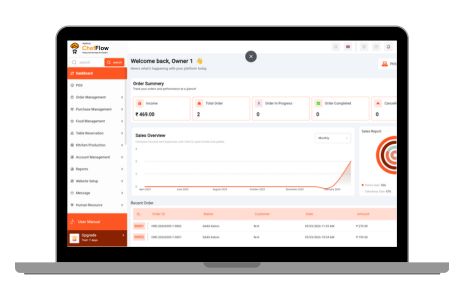
Instead of manually generating reports, leaders can access dashboards that provide instant insights.
Instead of maintaining separate records across departments, information flows automatically between business functions.
The result is a more productive organization with fewer operational bottlenecks.
Customer Expectations Are Driving Digital Transformation
Customer behavior has changed significantly.
People expect faster responses, personalized experiences, and seamless interactions across digital channels.
Businesses that fail to meet these expectations risk losing customers to competitors who can.
Modern Customers Expect:
- Fast communication
- Accurate information
- Easy online experiences
- Transparent transactions
- Consistent support
Meeting these expectations manually becomes difficult as customer numbers increase.
Cloud-based solutions help businesses manage customer relationships more effectively by improving communication, organization, and visibility.
This is why technologies such as CRM software, WhatsApp marketing tools, and customer engagement platforms continue to gain popularity.
Cloud-Based Ecommerce Is Creating New Growth Opportunities
The rise of ecommerce has transformed how businesses sell products and services.
Customers no longer expect businesses to operate solely through physical locations.
They want the ability to browse products, place orders, make payments, and receive updates online.
As a result, businesses are increasingly investing in:
- Ecommerce platforms
- Online store management systems
- Inventory management software
- Order tracking solutions
- Digital payment integrations
Cloud-based ecommerce systems allow organizations to expand beyond geographic limitations and reach customers around the clock.
For many businesses, ecommerce is no longer an additional revenue channel.
It has become a primary growth strategy.
Business Automation Is Becoming Essential
As businesses grow, manual processes become increasingly difficult to manage.
Tasks that once required only a few minutes can eventually consume hours of valuable time.
This is where business automation creates significant value.
Automation helps organizations eliminate repetitive activities while improving consistency and accuracy.
Common Areas Where Automation Helps
- Invoice generation
- Customer communication
- Inventory updates
- Lead management
- Sales tracking
- Reporting and analytics
Automation allows employees to focus on strategic work rather than routine administrative tasks.
For growing businesses, this often leads to higher productivity and better customer experiences.
Why Small Businesses Benefit the Most
Many people assume that advanced technology is primarily useful for large organizations.
In reality, small businesses often experience the greatest benefits.
Unlike large corporations, smaller organizations typically operate with limited resources and smaller teams.
Every employee plays an important role.
Every hour matters.
Every operational improvement creates measurable value.
Cloud-based software allows small businesses to access capabilities that were once available only to enterprises.
This levels the playing field and enables smaller organizations to compete more effectively in modern markets.
The Future of Business Operations
The future of business is increasingly connected.
Companies are moving away from isolated applications and toward integrated ecosystems that bring together multiple business functions.
Instead of using separate tools for accounting, communication, sales, ecommerce, and reporting, organizations are looking for solutions that work together seamlessly.
This shift is driving demand for:
- Business management software
- Cloud applications
- SaaS solutions
- Digital transformation platforms
- Integrated business ecosystems
Businesses that embrace this approach gain greater visibility, stronger efficiency, and improved scalability.
Technology is no longer just a support function operating behind the scenes. It has become one of the most important drivers of business growth.
Cloud-based business software helps organizations improve productivity, streamline operations, enhance customer experiences, and make better decisions.
As competition continues to increase and customer expectations continue to evolve, businesses that invest in modern digital systems will be better positioned for long-term success.
The future does not belong to companies that simply adopt more technology.
It belongs to businesses that use technology strategically to create smarter, more connected, and more efficient operations.


 Jun 24, 2026
